
What Does the Three of Swords Mean in a Reading
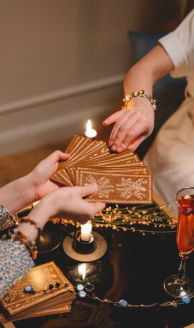
What does the Three of Swords mean?
The Three of Swords is the third card of the Swords suit. It marks a moment of painful truth, usually a hurt that came from words, news or a parting. Swords deal with thoughts, communication and the mind, so the pain here tends to arrive through what was said or learned rather than through events alone.
In a reading, the card describes what is happening now, not what is fixed forever. A three sits early in the suit, so the situation is still forming and can still change. What the querent does with the hurt matters more than the hurt itself.
Upright, it points to grief, disappointment or a clean cut that had to happen. Reversed, the same wound is often on its way to closing, or the querent is holding on to it longer than the facts require. The card shows the moment, and the reader decides how much weight to give it.
What does the upright Three of Swords say?
An upright Three of Swords indicates a moment of sharp mental clarity that arrives through emotional pain. In a reading, it usually marks a point where uncomfortable facts replace self-deception.
The card points to experiences that force you to accept reality:
- A painful truth coming to light after a period of doubt.
- The end of a relationship, partnership, or long-held hope.
- A deep sense of personal disappointment or sudden grief.
- A necessary separation that hurts but clears the air.
Surrounding cards alter how heavy this experience feels. Nearby Cups tend to highlight the emotional impact, while suit cards from Wands or Pentacles show where practical adjustments must happen next.
What changes when the card is reversed?
Reversed, the Three of Swords usually points to grief that is held rather than fresh. The sorrow has moved from the surface into something you carry quietly, and the reading often catches a person in the middle of that process rather than at its start.
It can also mark the beginning of relief. The worst part has passed, and what remains is the slow work of putting things back together. Which reading fits depends on the question and on how the person speaks about the situation.
- If they describe the event in the present tense, the grief is still active.
- If they speak about it in the past tense, relief has already started.
- If their question is about whether to stay or leave, the card leans toward held grief.
- If their question is about how to move on, it leans toward recovery.
- If they mention forgiveness, the reversed card supports that direction.
Ask one plain question: is this pain happening now, or are you describing something you have survived? Their answer settles which reading applies, and it keeps the interpretation honest.
Is it always about heartbreak?
The Three of Swords points to sharp emotional clarity, which goes far beyond romantic breakups. When no partner is involved, the card usually signals the painful end of a job, a fallen friendship, or a broken agreement. It marks the moment an uncomfortable truth cuts through false hope.
Loss also happens internally when a long-held belief about yourself or a plan no longer holds up. An upright card forces you to face grief directly, while a reversed card shows that you are beginning to release old hurt or processing lingering disappointment. Understanding these non-romantic meanings helps you give practical guidance when setbacks happen in everyday life.
How do you read it in a love or career spread?
In a love spread, upright it usually points to a hurt that is still being processed, such as a rejection, a silence that lasted too long, or a conversation you keep avoiding. Reversed, the same card often marks the other side of that process: the first day the subject stops hurting as much. In a career spread, expect it near a decision about leaving a role, losing a contract, or a project that ends earlier than planned.
Neighbouring cards decide the volume. The Tower and Ten of Swords sharpen it into a clean break, while the Star, Temperance and Two of Cups soften it into recovery and repair.
- The Tower next to it points to a sudden ending rather than a slow drift.
- The Star after it shows the grief is already easing.
- The Two of Cups or Ten of Cups nearby suggests the bond survives the difficult talk.
- The Eight of Cups suggests the person has quietly decided to walk away.
- The Ace of Swords sharpens it into one honest conversation.
What should you say when it appears?
When reading for a client, frame the message around emotional clarity rather than inevitable disaster. Focus on helping the person acknowledge their pain while retaining control over their future decisions.
Keep these guidelines in mind during the session:
- Acknowledge the grief or disappointment the card shows without predicting permanent failure.
- Avoid using fatalistic language that makes the client feel helpless or trapped by circumstances.
- Explain that emotional pain often signals a need to set clearer boundaries or cut harmful ties.
- Ask open questions about where they feel hurt rather than assuming you know the exact source of trouble.
- Emphasise that they can choose how to process the event and move forward.
If the card appears reversed, explain that it usually signals the end of a painful period, relief from ongoing stress, or a delay in coming to terms with difficult news. Always leave space for the client to decide their next steps rather than imposing a single outcome.
Frequently asked questions
Does the Three of Swords always mean a breakup?
No. It points to a painful truth or a loss, and a relationship is only one place that can happen. The card can just as easily describe a job ending, a friendship cooling or a plan that will not work. Read the cards around it before you decide what kind of loss you are looking at.
Is the reversed Three of Swords a good sign?
It can be. Reversed, the card often shows that the worst of the pain has passed and someone is starting to let go. It can also mean the opposite, that grief is being held onto or pushed down. The question you were asked usually tells you which reading fits.
Can the Three of Swords predict something bad?
It describes a theme, not a fixed event. Tarot does not decide what happens next, and a reading should never be used to frighten someone. Treat the card as a prompt to look honestly at what is already hurting and what choices are still open.
How do I read it next to positive cards?
Positive cards nearby usually soften the message and point to recovery. The Star or Temperance next to the Three of Swords often suggests healing after a hard period. A run of swords cards keeps the focus on the painful truth itself.
Photo: cottonbro studio, Pexels (Pexels License)
